How to Solve Chess Puzzles: 8 Habits That Find the Move
How to solve chess puzzles: read the goal, check every check, capture and threat, spot forks, pins and skewers, then test the reply before you move.
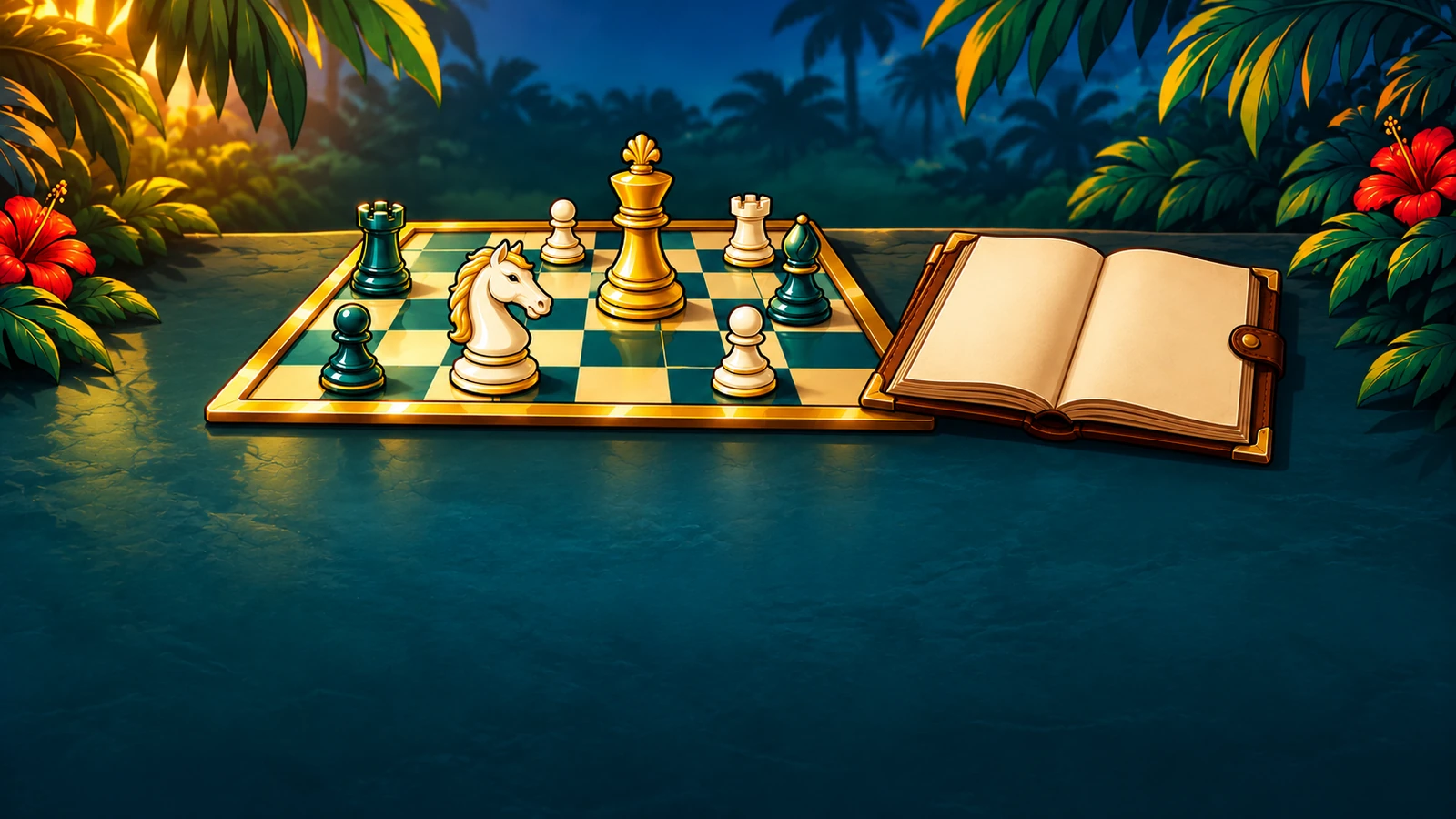

Chess puzzles reward one habit above all: looking at the forcing moves before anything else. Most puzzles hide the answer in a check, a capture or a threat that leaves the other side no time to breathe. Here’s how to solve chess puzzles with eight habits that turn that into a routine you can use on any puzzle.
You can practice every one of them in Loop Chess on HulaGames, free in your browser: a daily puzzle from a famous game, a Trainer with over 2,000 tactics, and a bot to play when you want a whole game.
1. Read the goal and the side to move
A puzzle tells you what to find. “Mate in 2” means a forced checkmate in two of your moves, whatever the other side does. “Win the queen” means you end up a queen ahead. Check who is to move too. It sounds obvious, but solving the position for the wrong side is the most common way to miss an easy puzzle.
2. Look at checks, captures and threats, in that order
Before you think about plans, list every check you can give, every capture you can make and every move that threatens something big. That short list holds the answer to most puzzles. Strong players do this without thinking. Until it’s automatic, do it on purpose.
3. Find the loose pieces
A piece that nothing defends is a target. So is a piece defended only once but attacked twice. Scan both armies for loose pieces before you look for clever ideas: a lot of tactics are simply a way to attack an undefended piece with tempo.
4. Spot the fork
A fork is one piece attacking two at once. Knights are the classic forking piece, because their jump is hard to see coming, but queens, pawns and even kings fork too. When the enemy king and queen, or two rooks, sit a knight’s jump apart from the same square, look for a way to land there.
5. Line up pins and skewers
When two enemy pieces stand on the same line as your rook, bishop or queen, there’s often a tactic. If the less valuable piece is in front, it’s a pin: it can’t move without exposing the bigger piece behind it. If the more valuable piece is in front, it’s a skewer: it has to move, and you take what’s behind it.
6. Check the king’s escape squares
For mate puzzles, look at where the king can go. A king boxed in by its own pawns on the back rank is a classic target: one rook or queen check on that rank can be mate. Count the escape squares, then look for the check that covers all of them.
7. Picture the best reply before you move
Most wrong answers lose to one defense the solver didn’t look at. Once you have a candidate move, ask what you would play in your opponent’s place. If there’s a capture, a check or a block that spoils your idea, keep looking. In Loop Chess, a move that isn’t the best one is taken back with a note, so you can try again instead of losing the puzzle.
8. Use hints to learn the pattern, not just the answer
When you’re stuck, a hint that names the idea (“look for a fork”) teaches more than the answer does. Loop Chess’s Hint gives the idea first and the key piece second. Use the first one, then try again before taking the second.
Make it a daily habit
Solving a little every day builds pattern recognition faster than a long session once a week. A good routine is one daily puzzle, a handful of Trainer puzzles where you check every reply before moving, and the occasional game against a bot to use what you’ve learned. Play Loop Chess to start your streak.
If you like puzzles with one right answer, try logic puzzles for beginners next, or make a daily puzzle habit out of today’s Loop Chess puzzle.


 Play on your phone too