Castle Match Boosters: Rockets, Bombs and Chain Reactions
A guide to Castle Match boosters: how to make Rockets and Bombs, when to fire them, and how to chain one blast into another in our coming-soon match-3.
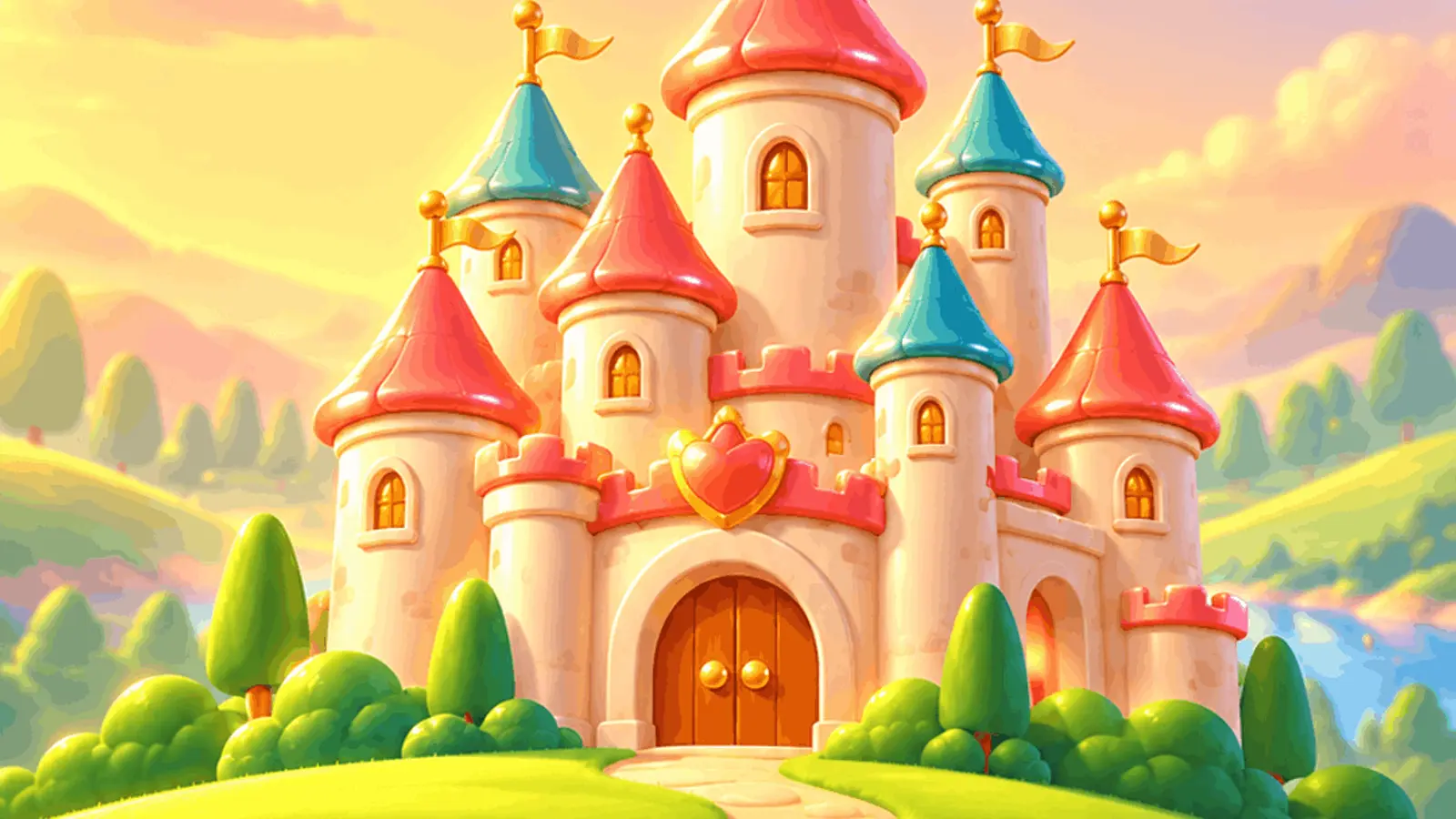
Castle Match boosters are the power-ups you build on the board: the Rocket and the Bomb. You don’t buy them or bring them into a level. You make them by matching more than three tiles, and you get the most from them by firing them in the right place.
Castle Match is the match-3 game we’re building at HulaGames, and it’s coming soon. This guide covers the power-ups in the first build, how they’re made, how they fire and how to chain them, so you’ll know exactly what to look for on day one.
The two Castle Match boosters at a glance
| Power-up | How you make it | What it clears |
|---|---|---|
| Rocket | Four matching tiles in a straight line | A whole row or column |
| Bomb | Five matching tiles in an L or T shape | The 3x3 area around it |
That’s the full list in the first build, so the basics feel right before anything else is added.
The Rocket: four in a line
Line up four of the same tile, in a row or a column, and the match leaves a Rocket behind instead of clearing to nothing. Fire it and it clears an entire row or column of the board.
On an 8x8 board, that’s eight tiles from one power-up. It’s also your best tool for reaching tiles that are hard to match normally, like a lone tile stuck against the edge with no partners nearby.
When to fire a Rocket
- When it lines up with your goal color. A Rocket is only as good as what it hits. If the row or column it will clear is full of the tiles you need, fire it.
- When it can set off another power-up. More on that below.
- When moves are running low. A so-so Rocket beats an unused one.
If none of those are true, you can leave it where it is. Power-ups wait for you; they don’t go off unless you fire them or a blast hits them.
The Bomb: L and T shapes
The Bomb comes from a five-tile match shaped like an L or a T. That’s three tiles running one way and three running the other, sharing one tile where they meet.
These shapes are harder to spot than straight lines. Look for a tile that would complete a row and a column at once; that crossing point is where L and T matches hide.
When it goes off, the Bomb clears the 3x3 area around it: its own spot and the eight tiles touching it.
When to fire a Bomb
- Next to a cluster of goal tiles. A Bomb is a close-range tool. It shines when several of the tiles you need are bunched together.
- Near the bottom of the board. Clearing a 3x3 hole low on the board makes more tiles fall, and falling tiles can line up free matches on their way down.
- Beside another power-up. Again, more below.

How to fire a power-up
You fire a power-up by tapping it or swapping it with a neighboring tile. Tapping is the quick way when it’s already where you want it. Swapping lets you move it one step first, which is handy when one tile over would hit a better row or a bigger cluster.
Building a power-up with a swap uses a move, like any other match. Plan around that: the best setups build a power-up and then use it well, rather than building one and leaving it unused.
Chain reactions: the real trick
Here’s the rule that turns two power-ups into something better: when a blast hits another power-up, that one goes off too.
That opens up a few strong plays:
- Rocket into Bomb. Fire a Rocket along a row or column that runs through a Bomb. The Rocket clears its line, reaches the Bomb, and the Bomb clears its 3x3 as well.
- Bomb into Rocket. A Bomb that goes off next to a Rocket sets off the Rocket, which then clears its whole line.
- Long chains. If three or more power-ups sit in each other’s paths, one tap can set them all off in turn.
Key takeaway: build power-ups close together, then fire the one that reaches the other.
What’s not in the first build
The first version of Castle Match keeps things focused, so some ideas you may know from other match-3 games aren’t in it yet:
- No special combo for swapping two power-ups together. Chain reactions are how power-ups work together for now.
- No boosters you pick before a level starts.
- No in-level tools, coins or lives. If you run out of moves, you simply try again.
The bigger design includes more power-ups, which we’ll write up once they’re real.
Booster strategy in four steps
Put it all together and a typical level looks like this:
- Read the goal so you know which color to collect.
- Look for four-in-a-line and L or T swaps that sit near your goal tiles.
- Build a second power-up close to the first when you can.
- Fire the one that sets off the other, and let the chain do the work.
For the wider set of habits behind good matching (bottom moves, cascades, changing gears near the end), see our match-3 strategy tips. And for everything else about the game, from the five tile shapes to the Throne Room, read the Castle Match first look.
Coming soon to HulaGames
Castle Match isn’t playable yet, and we’re not giving a date. When it arrives, it will play in your browser, built for phones first. Until then, you can find puzzles that are live today on our games page.
FAQ
How do you make a Rocket in Castle Match?
Match four tiles of the same kind in a straight line. Instead of a plain clear, you get a Rocket that clears a whole row or column when you fire it.
How do you make a Bomb in Castle Match?
Match five tiles in an L or T shape. The Bomb clears the 3x3 area around it when it goes off.
Can you combine power-ups in Castle Match?
When a blast hits another power-up, that one goes off too, so you can chain them. Swapping two power-ups together for a special combo isn’t in the first build.
Can I buy boosters in Castle Match?
No. In the first build, Rockets and Bombs come only from the matches you make on the board. Castle Match is coming soon and isn’t playable yet.